Max Graham, Founder
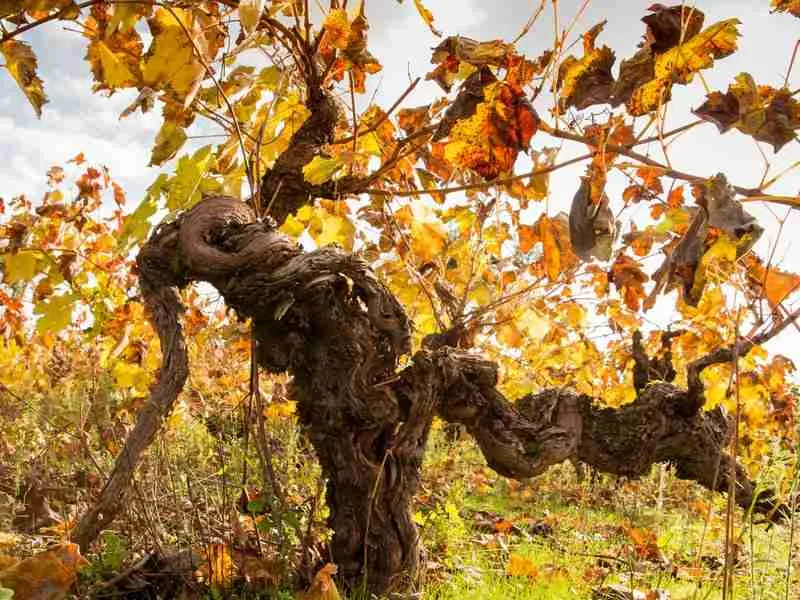
There is a particular kind of magic in an old vine. Gnarled, low-yielding and often more than a century old, these survivors have outlived fashions, phylloxera and generations of growers. Across Portugal they are quietly responsible for some of the country's most characterful wines, and at Bar Douro they are the bottles we reach for again and again. This is a journey through Portugal's vinhas velhas, the old vineyards worth protecting, and the growers determined to keep them in the ground.

Vinhas velhas, literally "old vines," are Portugal's living archive. Planted generations ago, they hold a diversity of native grape varieties that had quietly fallen out of fashion and were a generation away from disappearing. Many are old field blends, plots where a dozen or more varieties grow tangled together, picked and fermented as one. That jumble is the point: grown and vinified the way they always have been, field blends create a natural harmony you cannot design on a spreadsheet, and it is a big part of why old vine wines are so beguiling. Happily, a new generation of Portuguese winemakers has woken up to this heritage, not just preserving these vineyards but realising they can make some of the most exceptional wines in the country.
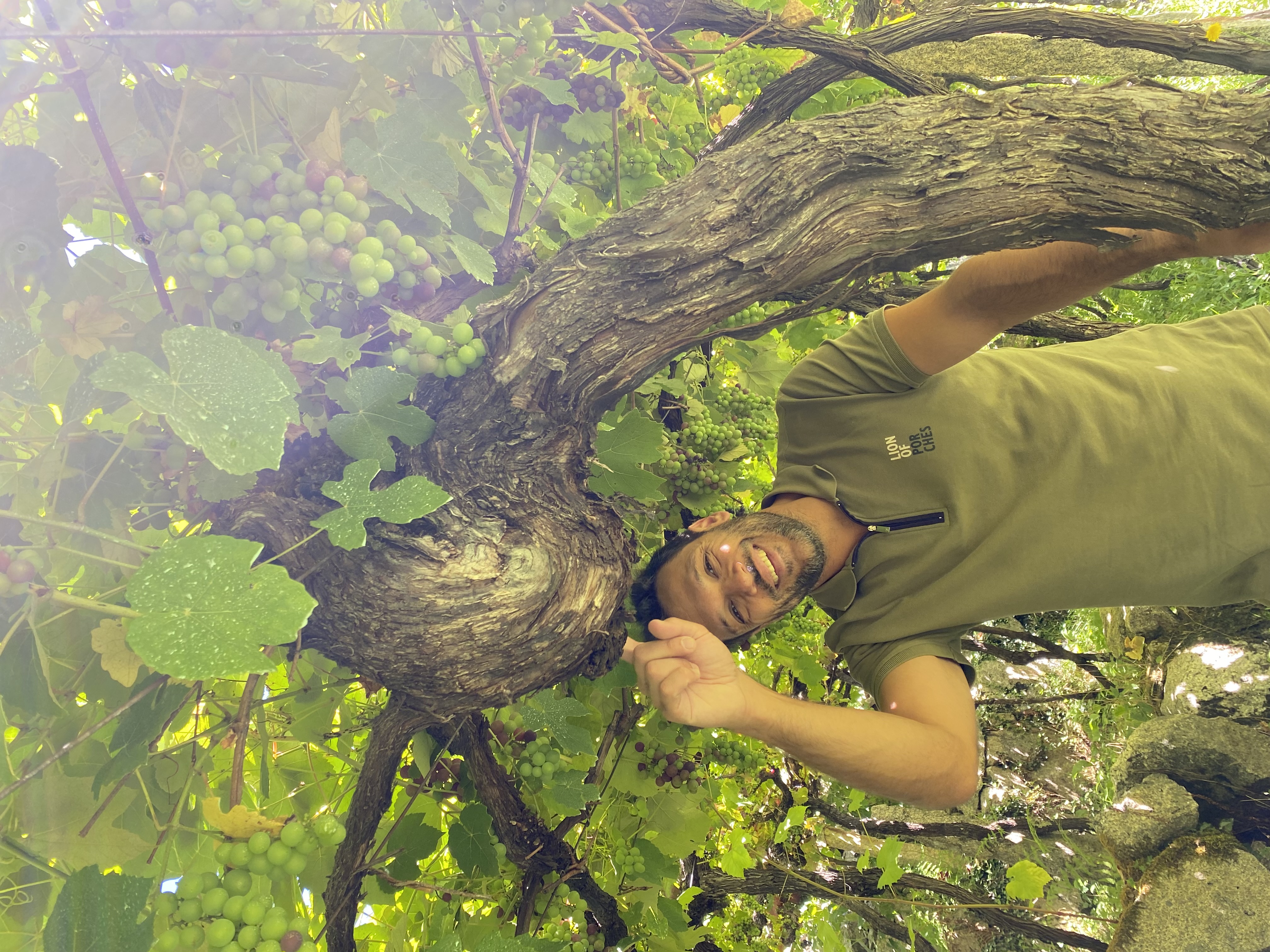
Our first stop is the far northwest, in Monção's Vale do Mouro. Here Constantino Ramos works a century-old field-blend parcel planted at around 400 metres, the source of his red Juca Tinto. Where most of the region chases fresh, easy whites, Ramos looks to its oldest vines for something with grip and memory: a tangle of indigenous varieties, co-planted and co-fermented, that speaks of granite, altitude and time. It is old-vine winemaking as an act of preservation, and a reminder that even Portugal's best-known white region has a deeper, older story to tell.
There is a good reason these shy-bearing vineyards have stood the test of time. With older, deeper root systems, old vines take up water and nutrients far more efficiently, a huge advantage in a drought when younger vines shut down under stress. Their big, gnarly trunks act as a carbohydrate reserve: as one grower puts it, the leaf canopy is the solar panel and the trunk is the spare battery. Because they carry less fruit, old vines produce smaller berries with thicker skins, the recipe for concentrated, structured wine. And grown the traditional way, as free-standing bush vines rather than on trellises, they ripen slowly and evenly with natural resistance to disease. Intensity and soul, depth and grace: for sheer character, Portugal's old vine wines are hard to beat anywhere in the world.



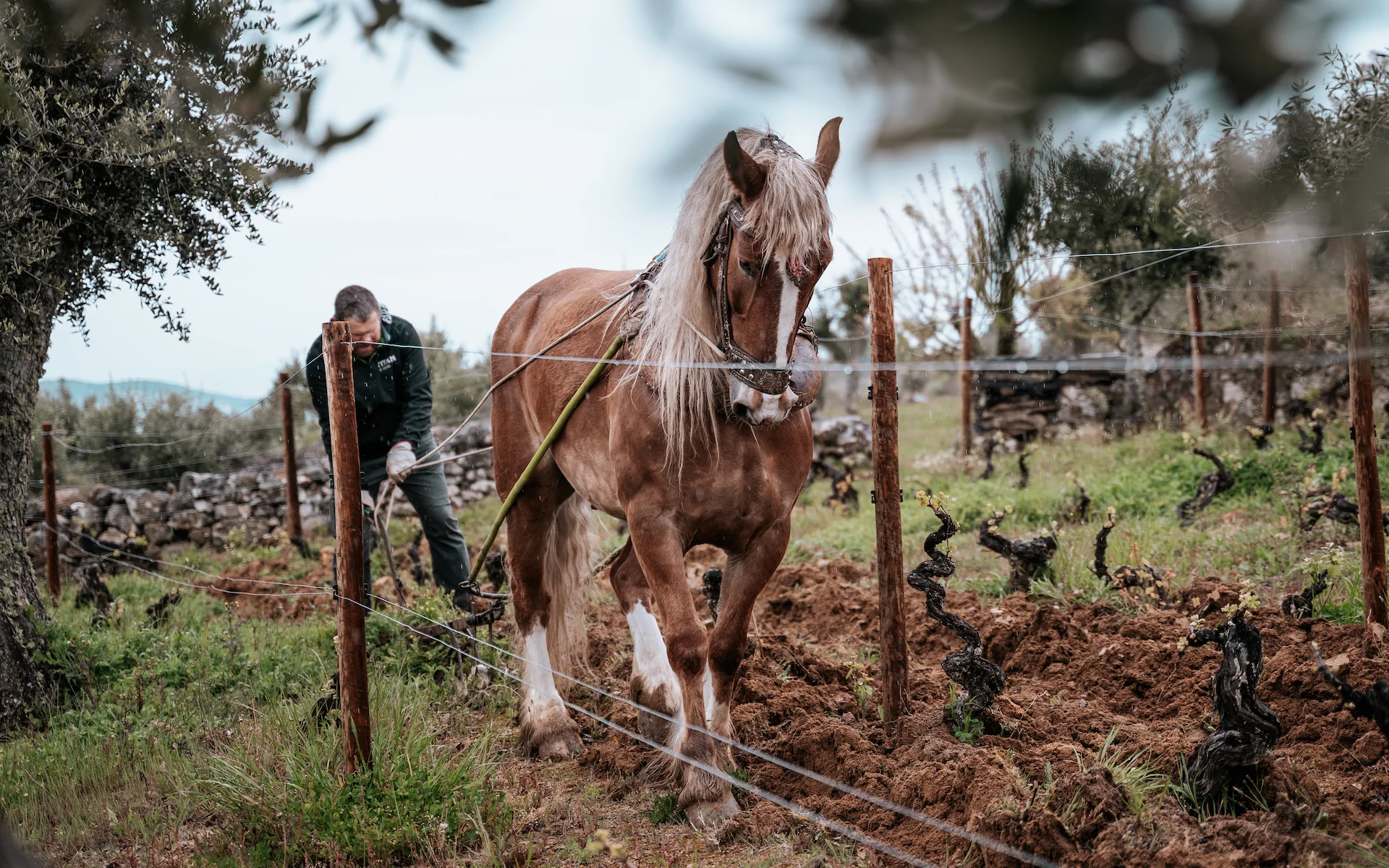
In the Douro, Luís Leocádio of Titan of Douro has gone to spectacular lengths. He works century-old, ungrafted vines clinging to steep terraces at 700 to 850 metres, among the very highest in the valley. Ungrafted vines are rare survivors, growing on their own original rootstock, and at this altitude the growing season is long and cool, holding on to freshness and detail that lower, hotter sites lose. The result is a Douro that trades power for precision: old-vine field blends of real tension and transparency, wine that could only come from these particular rocks, at this particular height, from vines this old.
East into the remote Planalto Mirandês, António Picotês tends centenary vineyards planted by his own ancestors, high above the dramatic Arribas gorges on the Spanish border in the Trás-os-Montes. This is some of the loneliest, most old-fashioned viticulture in Portugal: tiny parcels of ancient, mixed vines on granite and schist, farmed by hand. Picotês's wines are crystalline and energetic, grounded firmly in place, a confident new chapter for a corner of the country whose wines have long flown under the radar. His work shows what happens when you take neglected old vines seriously: heritage becomes something alive, not preserved behind glass.
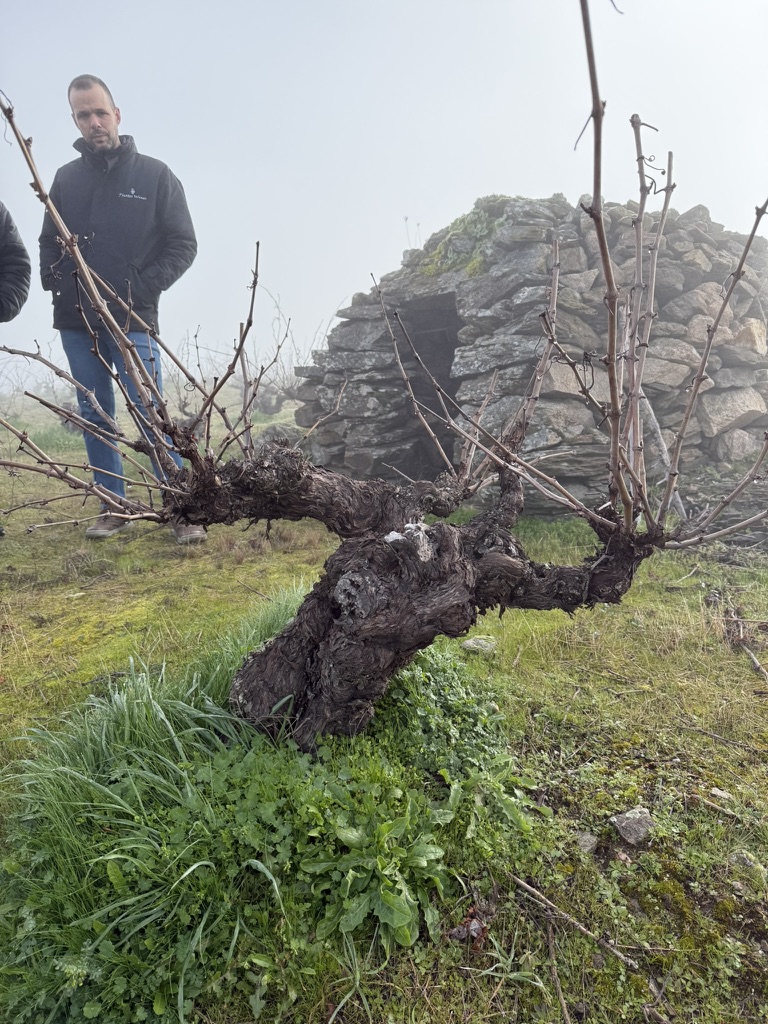
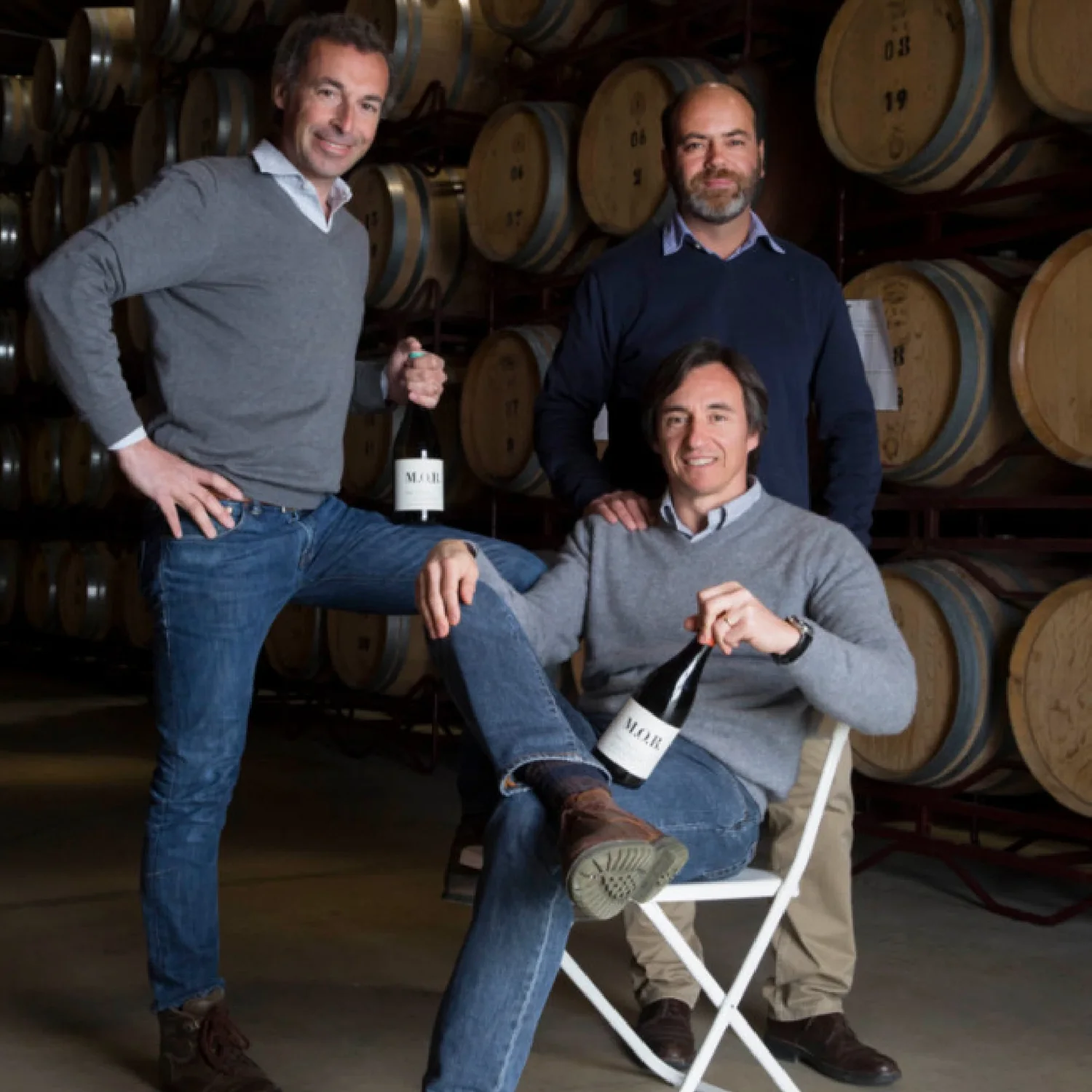
In the granite highlands of the Dão, Jorge Moreira and the team at M.O.B. farm very old vines around Gouveia, on the slopes of the Serra da Estrela. Prized for their slow ripening, these vineyards give wines of remarkable freshness and precision: fine-boned, mineral and long, the antithesis of anything heavy or overworked. The Dão has always been Portugal's most elegant red-wine region, and its oldest vines, patiently farmed, are where that elegance reaches its purest expression.
Finally, south to high Portalegre in the Alentejo, where Rui Reguinga rescued century-old vineyards he first discovered when almost no one else was looking. Up in the cool granite hills of the Serra de São Mamede, far from the warm Alentejo plains, these old field blends produce wines of surprising freshness and fragrance. Reguinga's foresight, seeing value in forgotten vines before it was fashionable, is exactly the instinct Old Vine Day exists to celebrate: keeping precious vineyards in the ground by helping everyone, from grower to drinker, understand why they matter.

Stay up to date with the Bar Douro's Newsletter for monthly news, events and perks.